Pile Driving & Dredge Equipment Coverage: What Marine Contractors Need
By Josh Cotner
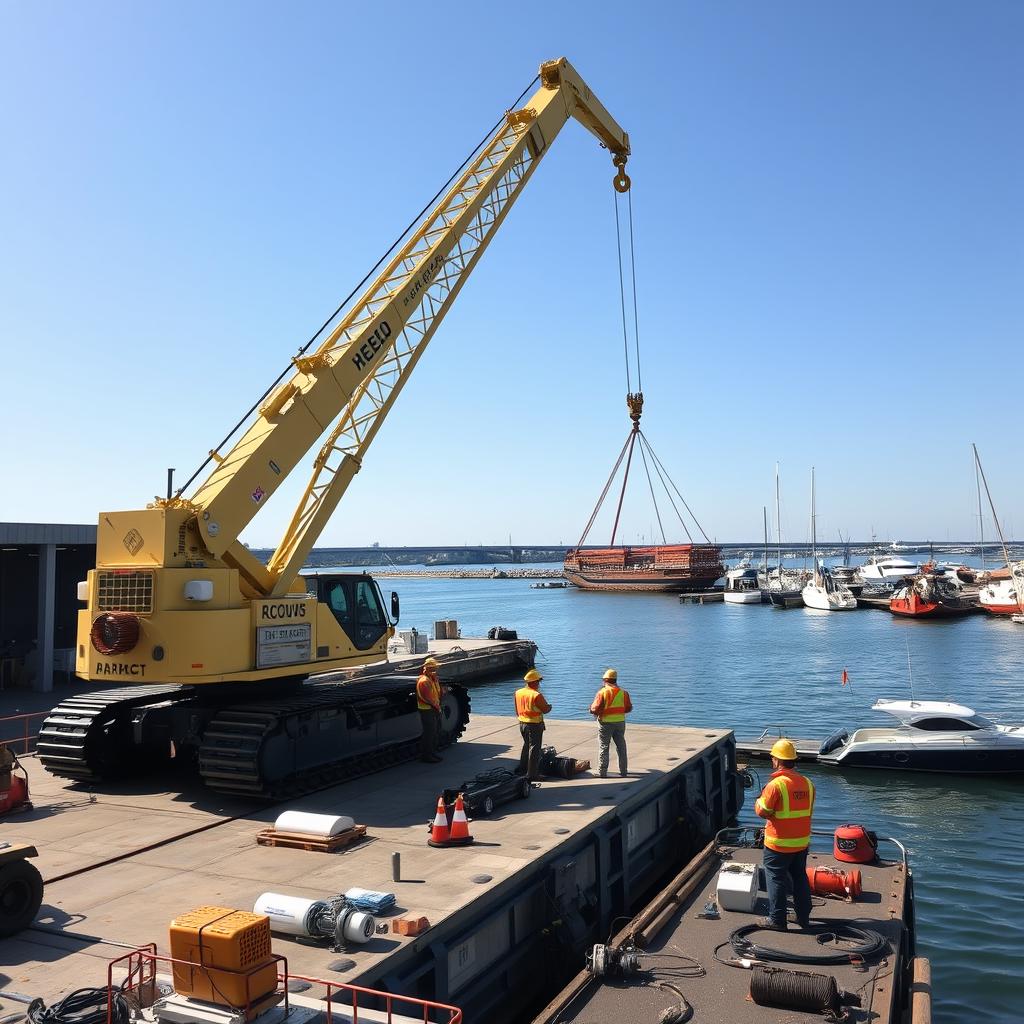
If you run a marine construction crew, the most valuable assets on your balance sheet probably aren't in a warehouse — they're floating on the water. A barge-mounted crane, a hydraulic pile driver, a dredge, a tug: these are six- and seven-figure pieces of equipment, and they're the tools that make over-water work possible at all.
Here's the problem: general liability doesn't cover any of it. Neither does commercial property. If your barge sinks, your crane goes over, or your pile driver is damaged in a storm, the policy that covers your liability to others will not pay to replace your own gear. For that, you need a marine equipment floater — and for the vessels, hull and protection & indemnity (P&I) coverage.
The three coverage layers for marine gear
Most marine contractors need to think about equipment coverage in three pieces:
- Contractors equipment floater (inland marine). Covers movable construction gear — cranes, pile drivers, dredges, compressors, hydraulic power units — wherever they go: on the barge, on the water, in transit on a lowboy, staged at the yard.
- Hull insurance. Covers the vessel itself — a barge, tug, workboat, or crew boat — and its machinery against physical damage.
- Protection & indemnity (P&I). The liability side for vessels — bodily injury and property damage caused by the operation of your watercraft, often wrapped with Jones Act employers' liability.
Coordinating these three is where a lot of marine contractors get into trouble. A barge-mounted crane, for example, can sit awkwardly between an equipment floater (which covers the crane) and a hull policy (which covers the barge). Get the structure wrong and you can end up with a gap right where the loss happens.
Replacement cost, not actual cash value
For both the equipment floater and hull coverage, insist on replacement cost — not actual cash value (ACV). A sunk barge or a crane that goes over is a six-figure loss on day one. At ACV, depreciated marine gear pays out at pennies on the dollar. At replacement cost, the gear is replaced or repaired new, and you're back on the water.
The difference between replacement cost and ACV is often the difference between surviving a major equipment loss and going under. We always write marine equipment at replacement cost.
What a marine equipment floater covers
A properly structured floater covers the causes of loss that actually hit marine gear:
- Sinking, collision, and capsize — the high-severity losses that define marine work.
- Storm and wave damage — critical for gear that lives exposed on the water.
- Theft — yes, marine gear is stolen, especially from staging areas and yards.
- Fire — engine and hydraulic fires on workboats and barges.
- Transport damage — gear damaged in transit between jobsites on a lowboy.
Coverage follows the gear wherever it goes, which is the whole point of an inland marine floater — it's built for equipment that moves, not gear bolted to a building.
Scheduling your marine equipment
We build the floater from a schedule — a list of each major piece of marine gear and its replacement value. The schedule is what makes claims fast and premium fair: accurate scheduling means the carrier knows exactly what they're covering, and you know exactly what's protected.
Keep the schedule current. When you add a crane, a new workboat, or a dredge, update it. When you sell gear, take it off. And if you rent specialty equipment for a job — a larger crane, a specialty dredge — we can extend the floater to cover rented and leased gear, including the rental company's required limits.
Don't forget hull and P&I for the vessels
If you own tugs, workboats, or barges that move under their own power or are navigated, those are vessels — and they need hull and P&I coverage in addition to (or instead of) an equipment floater. The line between "marine equipment" and "vessel" isn't always obvious, especially for barges with mounted equipment. We help you structure it so there's no gap.
Protect the gear that makes the work possible
Your marine equipment is too expensive to self-insure and too exposed to leave under-covered. We schedule it, coordinate hull and P&I where needed, and write it at replacement cost so a loss over water doesn't come out of your pocket.
Get a quote or call 844-967-5247. Read more about inland marine / equipment coverage for marine contractors.
Need this coverage for your crew?
Get a real quote in about 15 minutes — we shop A-rated specialty trades markets.